Cryptocurrency was pitched as electronic cash. In New Zealand in 2026 it functions almost entirely as an investment asset, and the gap between those two things is where most disappointment about spending comes from. It is possible to spend crypto here. It is rarely the sensible way to pay for anything.
The three ways it actually happens
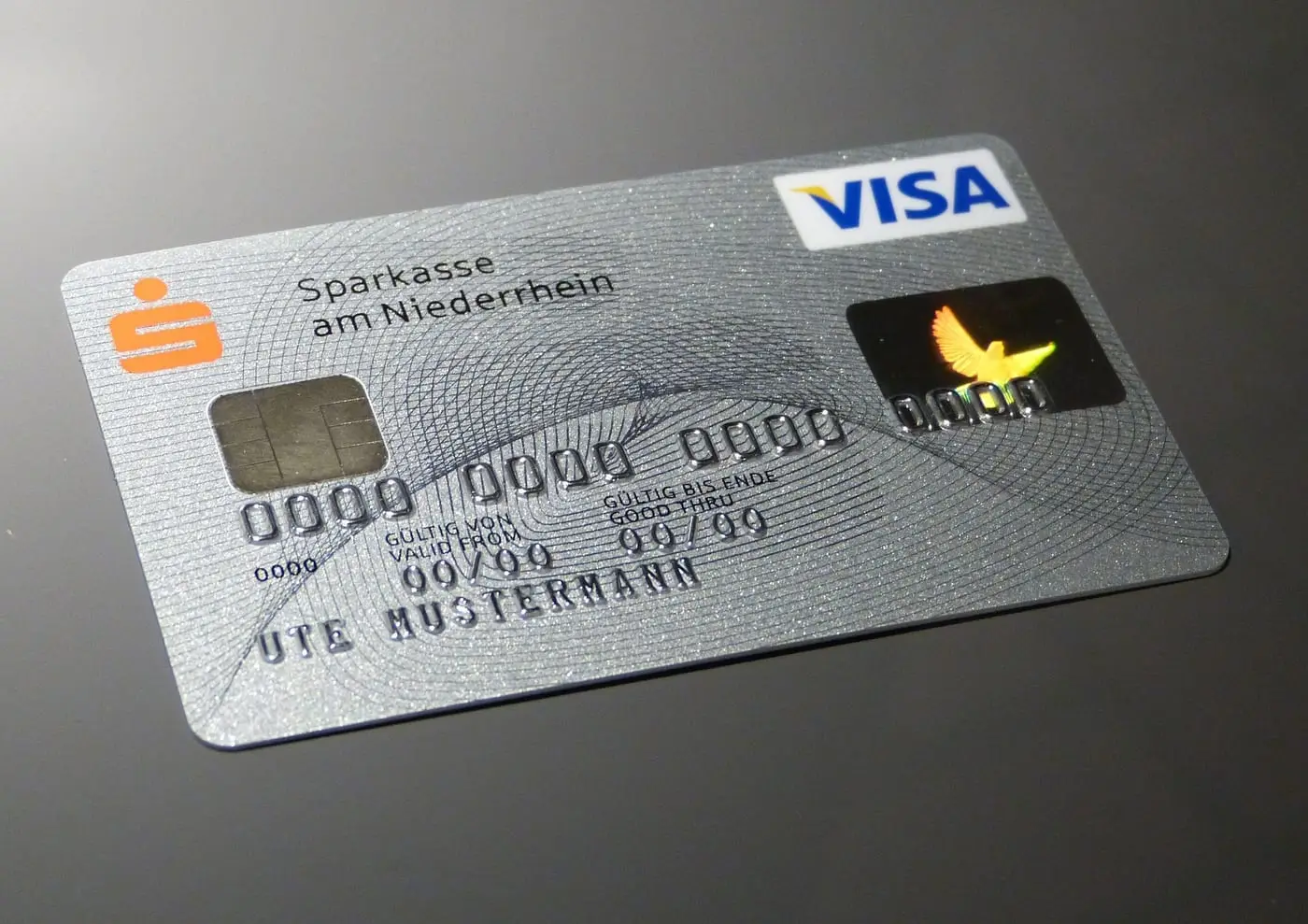
Crypto cards are how the overwhelming majority of New Zealand crypto spending occurs. Your balance converts to fiat at the moment of purchase and the merchant sees an ordinary Visa or Mastercard transaction. The Pay It Now Web3 Mastercard is the locally issued option; several international prepaid cards accept New Zealand residents. Our cards page compares them and itemises the cost stack.
Gift cards are the quiet workhorse. Various platforms sell retailer gift cards for cryptocurrency, including cards usable at New Zealand chains. The rates are usually unremarkable and sometimes poor, but the mechanism is simple and requires no card application.
Direct merchant acceptance is the smallest category by a wide margin. A handful of independent businesses — cafés, tradespeople, online retailers, mostly in Auckland, Wellington and Christchurch — accept cryptocurrency through a payment processor. Lists of these circulate and go stale quickly; we do not publish one because we cannot keep it accurate, and an out-of-date directory is worse than none.
| Route | Typical all-in cost | Where it works | Tax records generated |
|---|---|---|---|
| Crypto card | 2 – 6% stacked | Anywhere the network is accepted | One disposal per transaction |
| Gift card purchase | Often 3 – 8% spread | Participating retailers | One disposal per card bought |
| Direct to merchant | Network fee plus processor spread | A small number of businesses | One disposal per payment |
| Sell, then spend NZD | 0.5 – 0.6% | Everywhere | One disposal per sale |
The tax problem, stated plainly
Inland Revenue treats cryptoassets as property. Using property to pay for something is disposing of it. Where you acquired the asset with a purpose of disposal — which covers essentially every New Zealander who has bought cryptocurrency — the gain on the portion you spent is income, taxed at your marginal rate of up to 39%.
This is not a theoretical footnote. A card used for daily spending generates hundreds of individual disposals a year, each requiring a date, a quantity, a New Zealand dollar value at the time, and a cost base. Nobody does this by hand successfully. If you intend to spend crypto regularly, you need software that imports the transactions, and you need to keep the spending wallet separate from your long-term holdings so the cost-base calculations stay tractable.
The comparison that settles it for most people
Selling NZ$500 of crypto on an exchange and spending New Zealand dollars costs roughly NZ$3 and creates one tax record. Spending the same NZ$500 across twenty card transactions costs somewhere between NZ$10 and NZ$30 and creates twenty tax records. The convenience is real; so is the price.
Where stablecoins fit
Spending a volatile asset creates a second problem beyond tax: you might be spending something that doubles next year. Stablecoins solve the volatility half of that — a token pegged to a currency does not move much, so a purchase does not feel like a bet.
New Zealand has its own version. NZDD launched in 2023, backed one-to-one by New Zealand dollars held in a bare trust, and in March 2026 the Financial Markets Authority determined that the non-yielding token is not a financial product under New Zealand law. Reporting indicates it has not achieved wide traction. It remains an interesting piece of local infrastructure and a sensible thing to understand if you are thinking about crypto payments here — see our NZDD page.
Note that spending a stablecoin is still a disposal for tax purposes. The gain is usually negligible because the price barely moves, but the record is still required.
Travel: the one clear use case
Where crypto spending genuinely competes is overseas. A New Zealand bank card typically charges a foreign transaction fee of two to three percent plus an exchange rate margin. A crypto card charges a conversion spread and its own foreign exchange margin. Depending on the card and the destination, those can be comparable — and the crypto card works in places where a New Zealand bank card is awkward.
The tax position does not change when you leave the country. New Zealand tax residents are taxed on worldwide income, so disposals made in Bali are as taxable as disposals made in Botany. Keep the records regardless.
A workable approach
- Decide whether you actually need to spend crypto rather than selling and spending New Zealand dollars. For most people the honest answer is no.
- If yes, ring-fence it. One small wallet, funded deliberately, entirely separate from savings.
- Pick one route — a card or gift cards — rather than mixing several, so the records come from one source.
- Set up tax software first, before the first transaction, not after two hundred of them.
- Reconcile quarterly. Card programmes get suspended and statements become hard to retrieve.
And if you are on the other side of the counter — a New Zealand business considering taking crypto payments — the considerations are entirely different, including GST treatment and whether the arrangement makes you a reporting entity. That is covered on our accepting crypto payments page.