The trading fee gets all the attention and it is rarely the biggest cost. For a New Zealander buying a few hundred dollars at a time, the funding method matters far more than the platform fee — and the difference between the best and worst option is the difference between approximately nothing and roughly twenty percent.
The four rails, ranked by cost
| Method | Cost | Speed | The catch |
|---|---|---|---|
| Bank transfer | Free – NZ$15 | Same business day | Only works where the platform holds an NZ bank account. Reference must be exact. |
| POLi / account-to-account | Usually absorbed | Minutes | Consumer NZ has long criticised the screen-scraping model. Availability varies by platform. |
| Debit card | 2 – 3% | Instant | Predictable and convenient. The margin is the price of that convenience. |
| Credit card | 2 – 3% plus issuer fees | Instant | Several NZ issuers treat it as a cash advance: interest from day one, no grace period. |
| Cash at a crypto ATM | 15 – 20% | Instant | The markup is inside the rate, not shown as a fee. Only sensible without a bank account. |
Bank transfer: the default answer
A plain transfer from your bank to the platform's New Zealand account is free at most venues and clears within hours on a business day. This is why a platform's banking relationship is the most important feature it has, and why Swyftx going to the trouble of securing Kiwibank settlement mattered more to New Zealand customers than any interface change.
Two mechanical details cause most problems. The payment reference must be copied exactly — it is how the platform attributes an anonymous bank credit to your account, and a mismatch can attract a manual-processing fee as well as a delay. And the account must be in your own name, because AML rules do not permit a platform to credit a third-party payment.
POLi and account-to-account
These services sit between your internet banking and the merchant, initiating a transfer so that a bank payment feels as immediate as a card. They have been widely used in New Zealand e-commerce for years, including by crypto platforms, and POLi continues to operate here through its local distributor.
They have also attracted sustained criticism. Consumer NZ has argued for years that the traditional screen-scraping approach — where you enter your internet banking credentials into a third-party interface — sits awkwardly with bank security terms. The industry direction is toward bank-approved open banking APIs that avoid credential sharing entirely, which is a meaningful improvement where it has been implemented. Our dedicated page works through what the payment actually does and what it means for your banking terms.
Cards: convenience with a fixed price
A debit card purchase is instant and costs roughly two to three percent, charged either as a visible processing fee or folded into the rate. For a small urgent purchase that is a reasonable trade. For a monthly savings habit it is a needless leak — three percent a month compounds into a meaningful number over a few years.
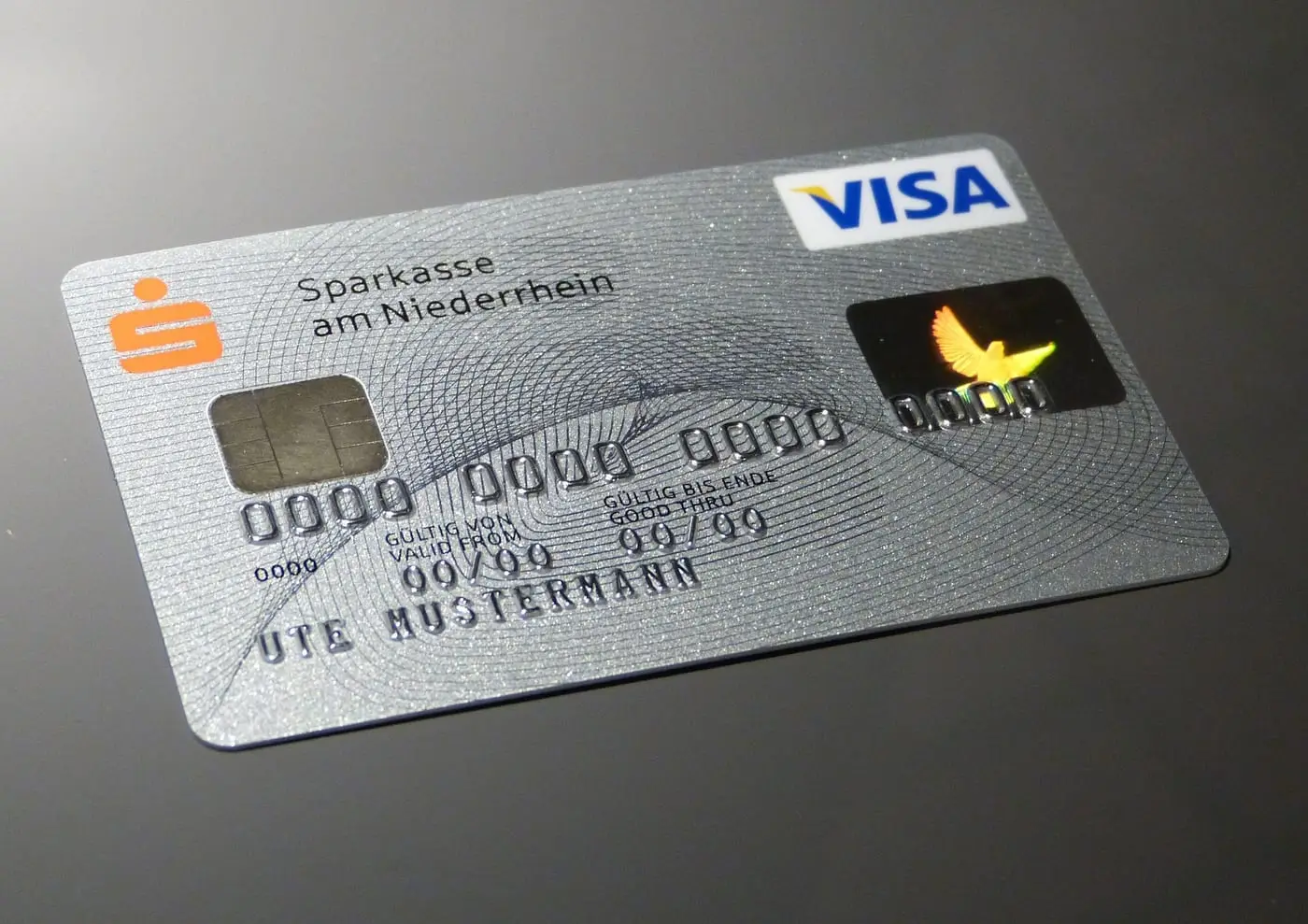
Credit cards carry an extra hazard specific to this asset class. Several New Zealand issuers classify a cryptocurrency purchase as a cash advance rather than a retail purchase, which means a cash advance fee and interest accruing from the transaction date with no interest-free period. Ring your issuer and ask directly before you use a credit card; the answer is not consistent across banks or even across card products within a bank. See our card guide.
Cash: the expensive necessity
Crypto ATMs charge a buy-side markup of roughly fifteen to twenty percent, built into the exchange rate rather than displayed as a fee. There is no version of the arithmetic in which that is good value for someone with a bank account.
It is, however, the only on-ramp available to New Zealanders who have been excluded from banking, and the Government explicitly acknowledged that in July 2026 when it dropped the proposed ATM ban in favour of cash transaction limits. If cash is genuinely your only option, the machines are legitimate, supervised and identity-checked. Read our ATM page before using one so you know what the rate means.
What about stablecoins and NZDD?
NZDD is a New Zealand dollar-backed stablecoin launched by Easy Crypto in 2023 and held one-to-one in a bare trust. In March 2026 the Financial Markets Authority determined that the non-yielding token is not a financial product under New Zealand law. It is an interesting piece of local infrastructure rather than a mainstream funding rail — reporting suggests it has not achieved broad traction. Our NZDD page covers where it stands.
Choosing, in one paragraph
If you have a bank account and no urgency, use a bank transfer to a platform with New Zealand banking, and do it in fewer, larger amounts to dilute any fixed fees. If you need it now and the amount is small, a debit card is fine. Use a credit card only after confirming with your issuer that it is not treated as a cash advance. Use cash only if you have no alternative. And if a platform cannot take New Zealand dollars at all, ask yourself how you intend to get them back out again — because that is the harder half of the problem.