
Queenstown is a town of roughly thirty thousand permanent residents that hosts a disproportionate share of New Zealand's visitors and seasonal workers. For crypto that creates an unusual split: residents face the ordinary national picture, while a large transient population faces a set of questions almost nobody writes about.
If you live here
The national answer applies. Use a platform with New Zealand dollar rails — Swyftx, which settles through Kiwibank, or Independent Reserve, which runs its own NZD accounts — verify with a passport or driver licence, fund by bank transfer from an account in your own name, and move long-term holdings into a wallet you control.
Machine coverage in Queenstown is thin compared with the main centres, and machines are hosted inside retail businesses that come and go. Given the markup of roughly 17 to 19 percent, that is not much of a loss. Our buying guide covers the process end to end.
If you are visiting
Buying cryptocurrency on a New Zealand platform generally requires identity verification and, for New Zealand dollar funding, a New Zealand bank account in your own name — which most short-term visitors do not have. Third-party funding is refused everywhere under anti-money-laundering rules, so borrowing a friend's account is not a workaround; it is a frozen deposit.
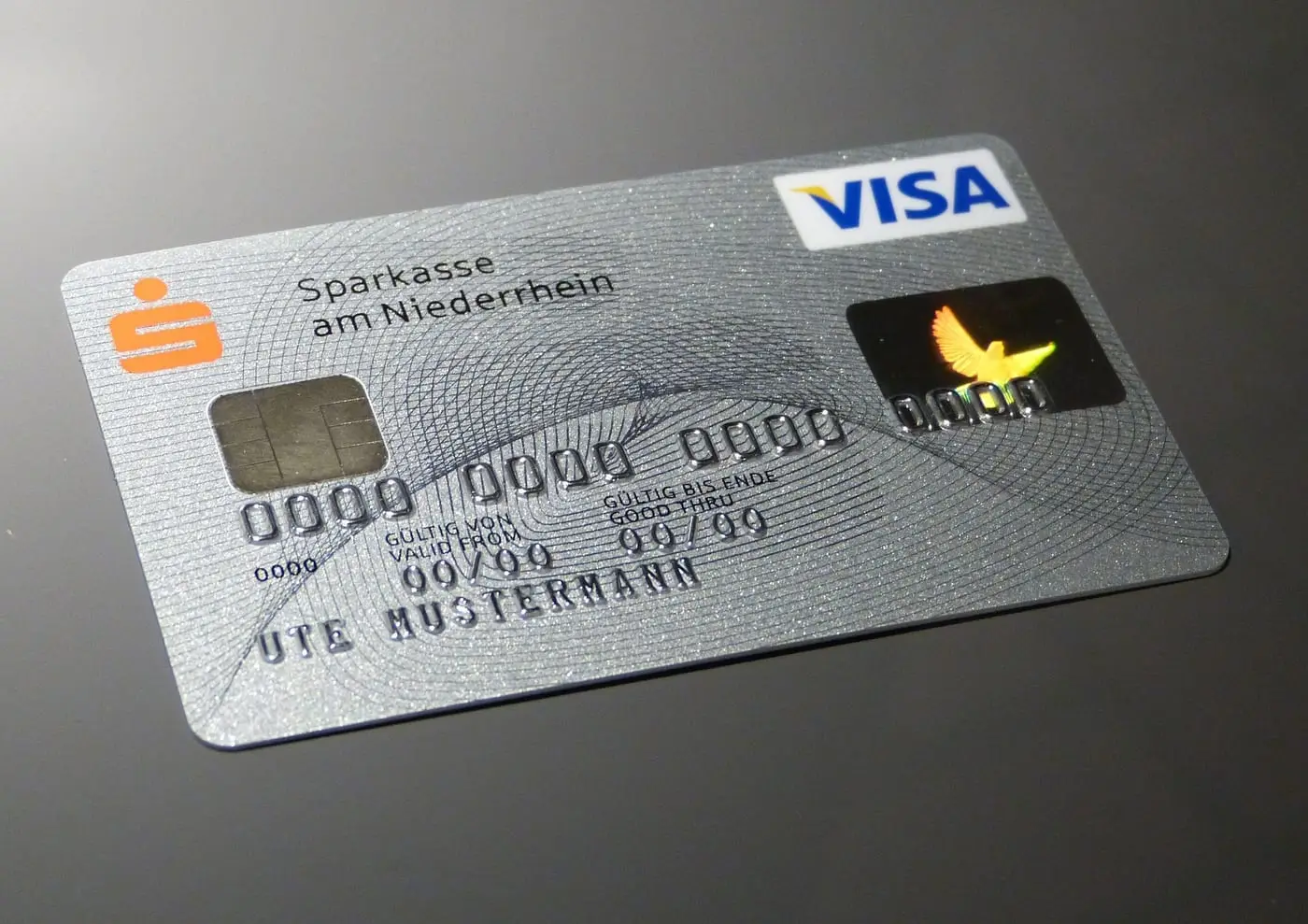
The practical options for a visitor are using a crypto ATM with cash, subject to the identity checks that apply above modest thresholds, or simply using your own home-country platform, which will work fine from here. A crypto card is the other realistic tool — this is one of the few situations where crypto cards genuinely compete on cost, because you are paying foreign exchange either way.
A note for visitors
New Zealand crypto ATMs are legal, registered and identity-checked. What they are not is cheap — expect roughly 17 to 19 percent above spot on a purchase. If you simply want exposure while travelling, your existing platform at home is a far better answer than a machine in a Queenstown service station.
If you are working here for a season
This is the group with the genuinely complicated question, and it is about tax residency rather than crypto.
New Zealand tax residency is determined by day-count and permanent place of abode tests, not by visa type. A New Zealand tax resident is taxed on worldwide income, which includes cryptoasset disposals made on any platform anywhere. Someone who arrives for a ski season, stays for a summer, and keeps trading on a platform in their home country may be creating a New Zealand tax obligation without realising it.
This is not a question a website can answer for you, because it turns on your specific circumstances and often on a double tax agreement between New Zealand and your home country. If you are here across a tax year — which runs 1 April to 31 March — and you hold or trade cryptoassets, get advice. Our professional help page covers how to find someone who has handled cross-border crypto questions.
The visibility picture also changed on 1 April 2026, when New Zealand's adoption of the OECD Crypto-Asset Reporting Framework took effect. Providers now collect tax residency information as well as transaction data, and that information is exchanged between participating tax authorities. Cross-border crypto activity is considerably more visible than it was.
The cash question
Tourism and hospitality handle more cash than most sectors, and Queenstown has a large workforce that is transient by design. That combination makes cash-to-crypto conversion a more live question here than in a comparable-sized town elsewhere.
Two things are worth knowing. Crypto ATMs are the only supervised route from cash to cryptoassets in New Zealand, and their markup — roughly a fifth of your money on the buy side — is the price of that access. And the Government has agreed, as of July 2026, to create regulation-making powers to restrict cash transactions in virtual assets, potentially including maximum thresholds, with the detail still being consulted on. Anyone relying on cash conversion should watch that. Our ATM page tracks it.
In-person peer-to-peer cash trades are a different matter and we would advise against them anywhere, including here. There is no escrow, no reversal and no recourse, and coercion at in-person crypto trades has been reported in New Zealand. Our peer-to-peer page is blunt about it.
Merchant acceptance
A small number of New Zealand businesses accept cryptocurrency, usually through a payment processor that converts immediately to New Zealand dollars. Lists of them circulate and go stale within months, so we do not publish one we cannot keep accurate.
If you run a Queenstown business and are considering it — a genuine question here given the international customer base — the practical considerations are conversion policy, GST treatment, accounting and your bank's comfort. Our merchant guide covers all four.
What to actually do
- Residents: platform with NZD rails, bank transfer funding, self-custody for anything long term.
- Visitors: use your home platform. A machine here costs a fifth of your money.
- Seasonal workers: establish your tax residency position before the tax year ends, not after.
- Everyone: avoid in-person cash trades entirely.
- Businesses: auto-convert to New Zealand dollars and talk to your accountant first.