Bank transfer
Cheapest route. Free to NZ$1 on most platforms, settles within hours on business days.
Lowest cost
Aotearoa crypto research desk
Which platforms actually move New Zealand dollars. What the banks will and will not process. What Inland Revenue expects when you cash out. All of it checked against the operators' own documents and the regulators who supervise them.
Verified venue with international licensing. Takes about ten minutes.
Reviewed September 2026
Typical set-up time: 10–15 minutes
Bank settlement usually lands the next business day
Works alongside any hardware wallet
Why this venue sits in our shortlist
Licensing details are the operator's own published disclosures. New Zealand has no crypto exchange licence of its own — see how NZ regulation actually works.
The state of play
New Zealand is roughly five million people at the bottom of the world, and the crypto industry here has always been shaped by that. There is no local licensing regime, no domestic exchange with deep liquidity, and a banking sector that spent a decade deciding whether it wanted anything to do with the sector at all.
The last eighteen months rearranged everything. Easy Crypto — the Christchurch-founded retailer that served more than 350,000 Kiwis and processed over NZ$3.5 billion — was bought by Australian exchange Swyftx and finally stopped trading under its own name on 30 March 2026. Kiwi-Coin, the country's longest-running order book, closed its doors on 1 January 2026 after years of being de-banked. Independent Reserve, the other regional heavyweight, was absorbed by the UK-listed IG Group in February 2026.
Put plainly: the exchange you used two years ago probably does not exist in the same form today. That is not a reason to panic, but it is a very good reason to stop treating an exchange balance as a savings account. Everything on this site is organised around that single practical question — how do you get in, and more importantly, how do you get out?
The shortlist
Eight platforms make up almost all realistic activity here. The column that matters most is not the fee — it is whether the venue can put New Zealand dollars back into your bank account without a detour through a stranger on a peer-to-peer board.
| Platform | Type | New Zealand dollar access | Headline cost | Best for | Score |
|---|---|---|---|---|---|
| CEX.IO Visit site Gibraltar, operating globally | Exchange | No NZD pairs — fund in USD, EUR or GBP, or buy by card | From 0.25% spot, falling with 30-day volume | Verifiable licensing and audited security if you already hold USD, EUR or GBP | 4.7/5 |
| Swyftx Visit site Brisbane, Australia | Exchange | Direct NZD in and out via a Kiwibank account | Tiered from ~0.6%, falling with 30-day volume | The default full-service exchange for Kiwis after the Easy Crypto migration | 4.4/5 |
| Independent Reserve Visit site Sydney, Australia | Exchange + OTC | NZD deposits and withdrawals; NZ$15 fee under NZ$5,000, free above | 0.50% maker and taker, lower at volume | Order-book trading, larger balances and OTC settlement | 4.3/5 |
| Pay It Now (PIN) Visit site Auckland, New Zealand | Retailer + wallet | NZD bank transfer, card and POLi | Spread built into the quote | First purchase, coins delivered to a wallet you control | 4.1/5 |
| BlackBull Markets Visit site Auckland, New Zealand | Derivatives broker | NZD account funding | Spread and commission, from ~0.015% on ECN accounts | Leveraged price exposure — you never hold the coin | 3.8/5 |
| Binance Visit site Global | Exchange | NZD card purchases and P2P; no direct NZ bank withdrawal rail | 0.10% spot, less with BNB | Deep liquidity and altcoin range for confident users | 3.9/5 |
| Kraken Visit site United States | Exchange | No NZD pairs — Kiwis fund in USD or AUD and wear the FX | 0.25% taker down to 0.10% | Advanced order types once you already hold crypto | 3.6/5 |
| Coinbase Visit site United States | Exchange | No NZD trading pairs and no NZD withdrawals | ~0.6% taker on Advanced, higher on Simple Trade | Familiar interface, but the exit path back to NZD is clumsy | 3.3/5 |
| Crypto.com Visit site Singapore | Exchange + card | Card top-ups in NZD; withdrawals route through supported currencies | Tiered from 0.25%, plus card spreads | The prepaid card ecosystem more than the exchange | 3.4/5 |
Links to platform websites carry a nofollow attribute and open in a new tab. We are not a broker, we do not take deposits, and no operator can buy a position in this table. How we score platforms.
Getting money in
Kiwis have four practical rails, and they differ enormously in cost. A plain bank transfer to an exchange holding a New Zealand bank account is free or close to it, and it is why a platform's banking relationship matters more than its interface. Swyftx secured a Kiwibank account when it took over Easy Crypto's customer base; Independent Reserve runs its own NZD accounts. Everyone else asks you to improvise.
POLi and account-to-account services sit on top of internet banking to make a transfer feel instant. They have been controversial here — Consumer NZ has criticised the screen-scraping model for years — though the shift toward bank-approved open banking APIs has changed the picture. Our POLi and bank-to-bank guide explains what the payment actually does behind the scenes.
Debit and credit cards are the fastest and the most expensive. Expect a 2–3% processing margin, and be aware that some card issuers treat a crypto purchase as a cash advance, which triggers interest from day one with no grace period. Finally, cash at a crypto ATM is the most expensive rail in the country — a 15–20% markup on the buy side is normal — but it is also the only option for people without a usable bank account.
Whichever rail you use, the account you pay from must be in your own name. Every AML-registered venue will freeze a deposit that arrives from a third party, and untangling that takes weeks.
Read the full buying guide
Cheapest route. Free to NZ$1 on most platforms, settles within hours on business days.
Lowest cost
Instant, but 2–3% and a real risk of cash-advance interest on credit cards.
Convenience premium
No bank needed. Markups of 15–20% on buys and around 6% on sells.
Most expensive
The bank problem
No New Zealand bank is contractually obliged to process a payment to a cryptocurrency platform. Most now tolerate personal purchases while remaining cautious about servicing crypto businesses — a distinction that killed Kiwi-Coin.
| Bank | Stance on personal purchases | What that means in practice |
|---|---|---|
| Kiwibank | Most accommodating | Has said it is generally comfortable with customers transacting in cryptocurrency for their own personal use. Swyftx banks here for NZD settlement. |
| ANZ | Permitted | Has publicly stated it is happy for customers to purchase cryptocurrency for personal use. Large or unusual transfers still trigger verification calls. |
| Westpac | Case by case | Personal trading is accepted, assessed individually, and the bank reserves the right to review a relationship. Historically the most restrictive toward exchanges themselves. |
| ASB | No blanket policy published | Payments generally process, but ASB has not issued a public crypto position we can quote. Treat any transfer as reviewable. |
| BNZ | Restrictive | Has said its policy is not to provide banking services to virtual currency dealers whose primary business is dealing in cryptocurrencies. |
Positions are drawn from public bank statements and media reporting. Policies change without notice — ring your bank before moving a large sum. Full detail: bank crypto policies compared.
Beyond the exchange
Buying is the easy part. Storing, spending and eventually converting back is where most Kiwis lose money — to fees, to mistakes, and occasionally to a company that stops answering emails.
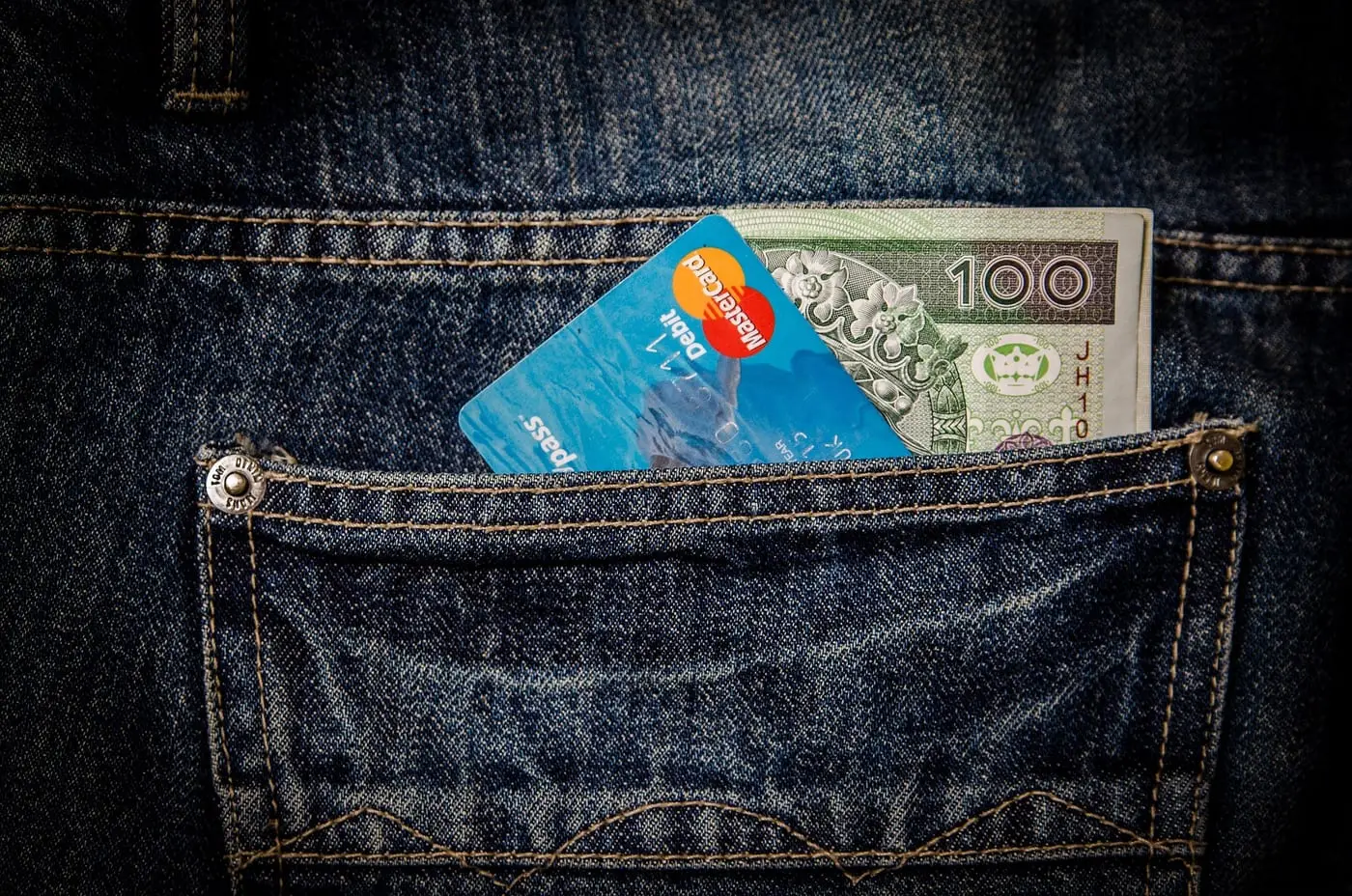
An exchange balance is a claim against a company. A wallet you hold keys to is property in your hands. That distinction is not academic here — Cryptopia's 2019 collapse and Dasset's 2023 liquidation both turned on it.
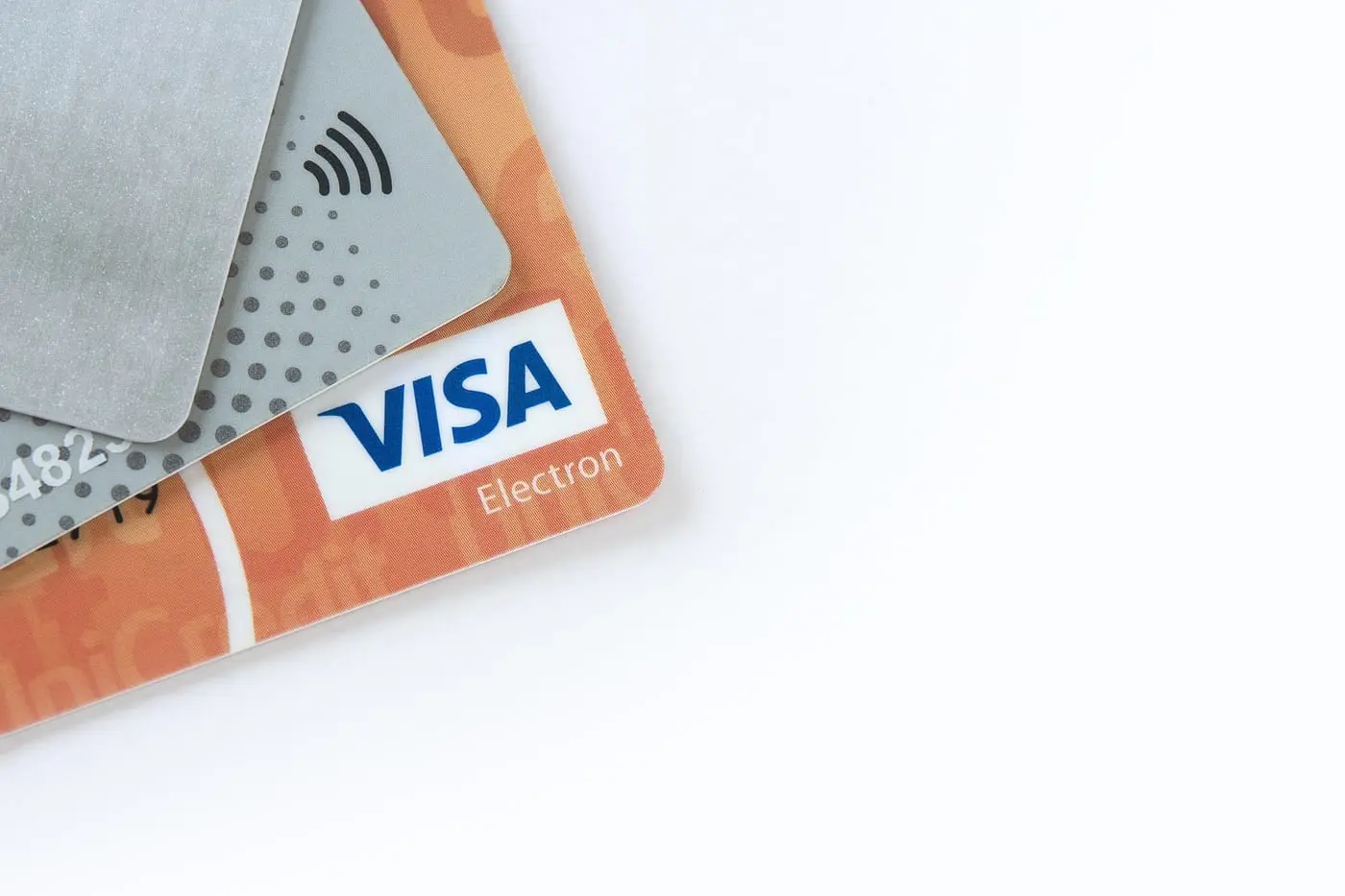
A handful of prepaid Visa and Mastercard products work here, including the local Pay It Now Web3 Mastercard. They are convenient and they carry a hidden cost: every swipe is a disposal, which means every coffee is a taxable event you have to record.
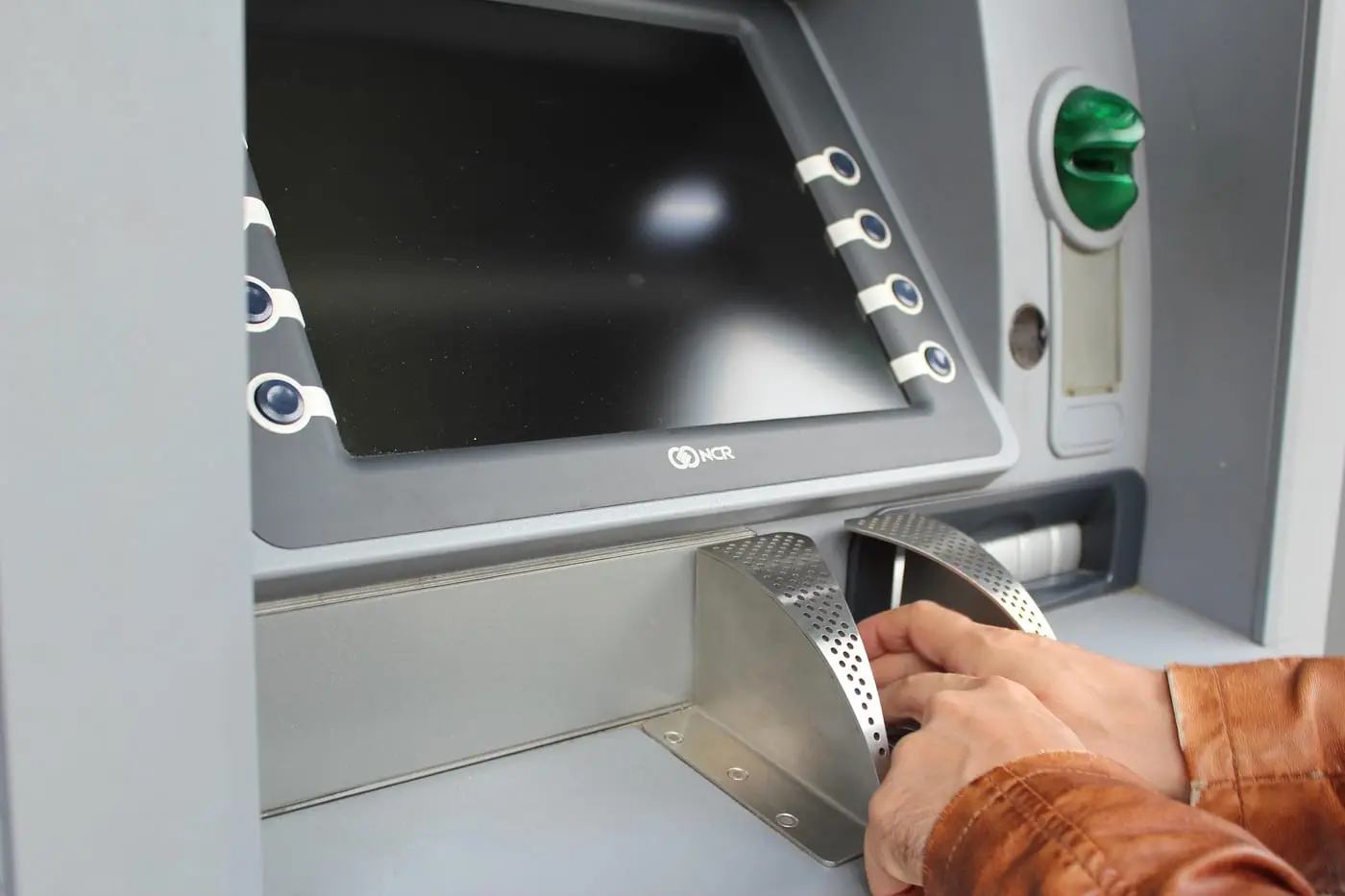
More than 220 machines operate here, run mainly by Localcoin and CoinFlip. In July 2025 Cabinet agreed in principle to ban them; in July 2026 the Government reversed course, opting for powers to cap cash transactions instead of an outright prohibition.
Inland Revenue
This is the single most misunderstood thing about cryptoassets in New Zealand. Because the country has no CGT, people assume gains are untaxed. Inland Revenue's position is the opposite: cryptoassets are property, and if you acquired them with the purpose of disposal — which covers nearly everyone who has ever bought a coin — the profit is ordinary income, taxed at your marginal rate of up to 39%.
What counts as a disposal is broader than most people expect. Selling for NZD is obvious. Swapping Bitcoin for Ethereum is a disposal. Paying for goods with crypto is a disposal. Receiving staking rewards, mining output or an airdrop is income at the value on the day you received it.
The visibility picture changed on 1 April 2026, when New Zealand's adoption of the OECD Crypto-Asset Reporting Framework took effect. Service providers now collect tax residency and transaction data on their users, with the first reports due to Inland Revenue by 30 June 2027 and shared with other tax authorities afterwards. The era of assuming nobody could see an offshore account has ended.
Income tax bands 2026/27
| Up to $15,600 | 10.5% |
| $15,601 – $53,500 | 17.5% |
| $53,501 – $78,100 | 30% |
| $78,101 – $180,000 | 33% |
| Over $180,000 | 39% |
Crypto profit is added to your other income and taxed in these bands. Always confirm the current thresholds with Inland Revenue.
Risk
Nobody in New Zealand loses money the way films suggest. The realistic threats are dull and effective: a romance contact who eventually mentions a trading platform, a fake broker with a slick dashboard that lets you watch fictional profits grow, and a "recovery agent" who reappears months later promising to claw back what you lost — for a fee.
The Financial Markets Authority issued more than fifty investment scam warnings during 2025, the highest annual total it has recorded. In February 2026 it joined regulators in Tonga, Australia, the United Kingdom and the United States in warning about a scheme that had spread through Pacific family networks and church groups. Netsafe and GASA research put average individual losses above $20,000, with a meaningful tail of victims losing six figures.
Three habits prevent most of it. Check any provider against the FMA warning list and the FSPR before sending a cent. Treat any unsolicited approach about investing as hostile by default. And accept that a legitimate platform will never ask you to pay a "release fee" to withdraw your own money.
Learn the warning signs
Local coverage
Online platforms serve the whole country identically. What changes by region is cash access, ATM density, which branches will talk to you about a large transfer, and whether there is a community meetup worth attending.
About this site
Most crypto content aimed at New Zealanders is either a press release with a headline attached or a global article with "NZ" pasted into the title. Neither tells you that Coinbase cannot pay out New Zealand dollars, that Binance has no domestic bank rail, or that an ATM in Papatoetoe will charge you a fifth of your money for the privilege of using cash.
We publish what we can verify. Where a figure comes from an operator's own schedule, we say so. Where the Government has changed position — as it did on crypto ATMs in July 2026 — we show the before and after rather than quietly editing history. Where something cannot be confirmed, we write that it cannot be confirmed, which is less satisfying than a confident number but considerably more useful.
We are not licensed financial advisers and nothing here is personalised advice. If you are putting a meaningful share of your savings into this asset class, talk to an accountant who has handled cryptoassets before and read the history of what has already gone wrong here.
Questions, corrections or a platform we have missed? Write to contact@exchangecrypto.nz — corrections get published.
Frequently asked
There is no single winner, because the market split into two camps after Easy Crypto stopped trading in March 2026. If you want New Zealand dollars in and out of your own bank account, Swyftx and Independent Reserve are the two platforms with working NZD rails. If you care more about coin range and order-book depth, the global venues win on selection but leave you solving the cash-out problem yourself. Our full breakdown sits on the crypto exchange comparison.
Yes. Owning, buying, selling and mining cryptoassets is lawful. New Zealand simply has no bespoke crypto statute — existing law is stretched over the sector. Businesses that exchange or hold cryptoassets for others must appear on the Financial Service Providers Register, comply with the AML/CFT Act under Department of Internal Affairs supervision, and join a dispute resolution scheme if they serve retail clients. Read the detail on our regulation page.
Almost always, yes. New Zealand has no capital gains tax, but Inland Revenue treats cryptoassets as property acquired with the purpose of disposal, which makes the profit ordinary income taxed at your marginal rate — up to 39%. Selling for NZD, swapping one coin for another, spending crypto on goods and earning staking rewards are all events you have to account for. See the crypto tax guide and the calculator.
ANZ, Kiwibank and Westpac have all publicly said personal cryptocurrency purchases are acceptable, subject to case-by-case checks. BNZ has been the most restrictive about servicing crypto businesses. No bank guarantees a payment will go through, and any transfer can be held for verification. Our bank policy comparison lays out what each one has said.
A direct bank transfer into an exchange that holds a New Zealand bank account, followed by a limit order on an order book. That path avoids the 2–3% card surcharge and the 15–20% markup charged at a crypto ATM. The trade-off is time: bank transfers settle in hours rather than seconds. The payment methods guide compares every rail side by side.
Start here