Our verdict
CoinFlip
Operating — machines across both New Zealand islands
CoinFlip is the more geographically distributed of New Zealand’s two main ATM operators, with a typical buy markup a little below its rival and a companion wallet app that makes repeat use smoother. The fundamentals are unchanged: this is a cash access product priced at cash access rates. It is a reasonable choice among machines and an unreasonable choice against a bank transfer.
What works
- Spread across both islands rather than concentrated in one region
- Typical buy markup slightly lower than the main competitor
- Companion wallet app launched for Australia and New Zealand
- Clear published fee and identity thresholds
- No bank account required
What does not
- Markups reported between 7% and 22% depending on site and asset
- Flat per-transaction charge on top of the markup
- Network fees charged separately again
- Fewer New Zealand locations than Localcoin
What CoinFlip offers here
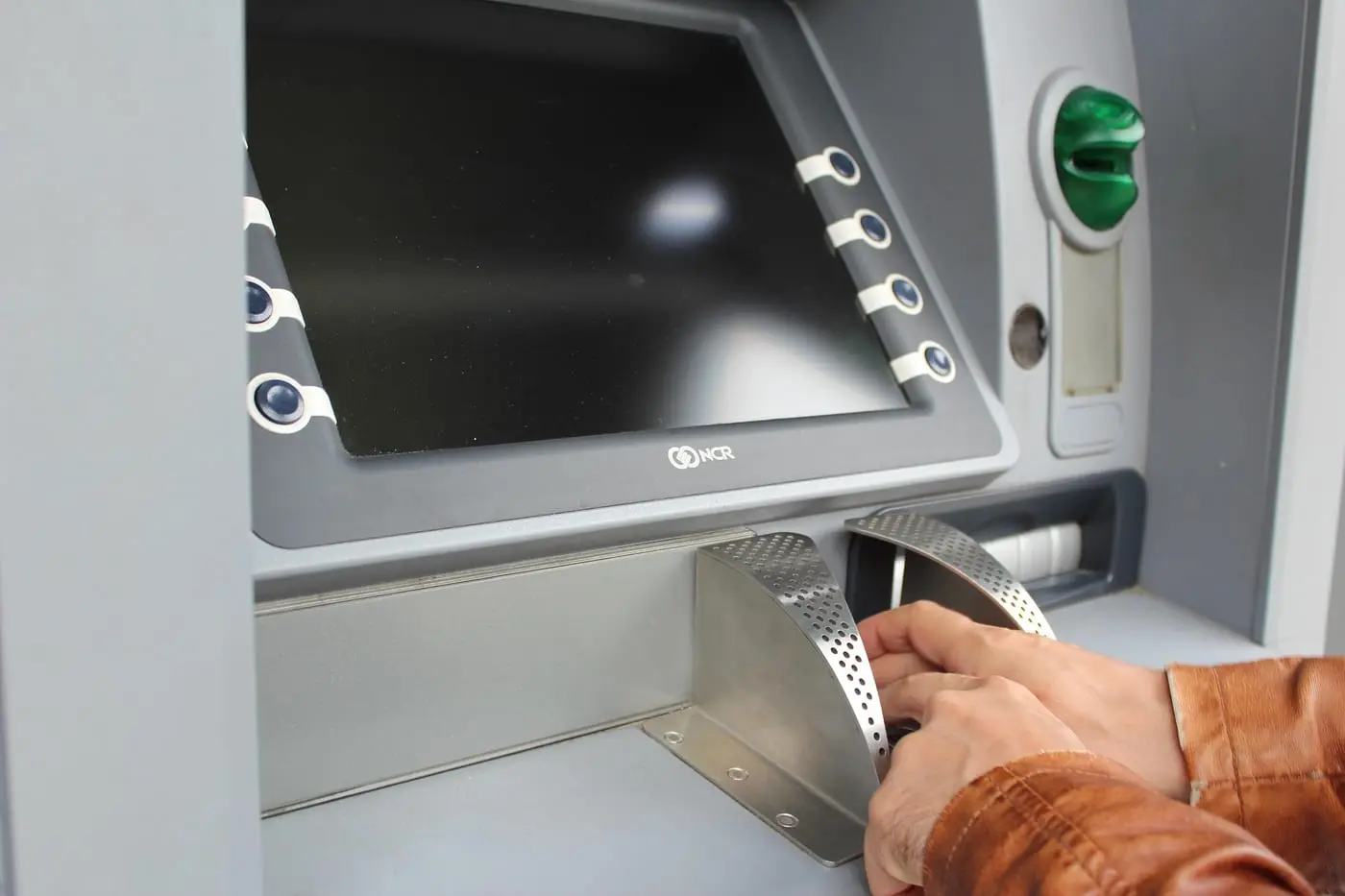
CoinFlip is a large North American crypto ATM operator with a New Zealand network spanning both islands. Machines sit in retail hosts — service stations, convenience stores, shopping centres — and support cash purchases of Bitcoin and several other assets, with sell functionality on supported terminals.
In late 2024 it launched a wallet app for Australia and New Zealand, pairing the physical network with a mobile product. For someone who uses machines regularly that is a genuine convenience; it removes the step of arriving with a wallet address ready.
The fees, honestly stated
CoinFlip's pricing is more variable than a single number suggests. Independent audits of its fee structure put buy-side service markups roughly between 7% and 22% above the spot index depending on the location and the asset, with around 17% commonly cited as typical. On top of that sits a flat per-transaction charge and the blockchain network fee.
That variability matters. It means the machine two suburbs over may be meaningfully cheaper than the one nearest you, and the only way to know is to read the rate on the screen before inserting cash. The machine is required to show you what you are getting; most people do not look.
| Route | Approximate cost | Crypto received |
|---|---|---|
| Bank transfer to an exchange | NZ$3 – 5 | ~NZ$496 |
| Debit card on an exchange | NZ$13 – 18 | ~NZ$484 |
| CoinFlip machine | NZ$85 – 95 | ~NZ$410 |
| Localcoin machine | NZ$95 – 105 | ~NZ$400 |
Indicative figures based on typical published markups. Individual machines and market conditions vary — always read the on-screen rate.
Identity requirements
CoinFlip's published schedule requires photo identification for transactions above NZ$500, with lighter verification below that. The company states it complies with applicable know-your-customer and anti-money-laundering requirements, which in New Zealand means registration on the Financial Service Providers Register and compliance with the AML/CFT Act under Department of Internal Affairs supervision.
Bring the identification the amount will need. Arriving with cash and no ID for a NZ$2,000 purchase is a wasted trip.
The wallet app question
Operator-provided wallets are convenient and they raise a question worth asking: who holds the keys? A wallet where the company controls the keys makes your balance a claim against that company, which is precisely the exposure that cost New Zealanders money when Cryptopia and Dasset failed.
Check the answer before storing anything meaningful. For amounts you would be upset to lose, the right destination is a wallet you control — see our wallets guide and, above about NZ$1,000, a hardware wallet.
Where the law is heading
Crypto ATMs remain legal in New Zealand. Cabinet agreed in principle to ban them in June 2025, then reversed course in July 2026, concluding that a blanket ban was not the right response and opting instead for regulation-making powers to restrict cash transactions in virtual assets — potentially maximum thresholds. The specific caps have not been set. Our ATM page tracks the position.
Using a machine well
- Look up the spot price before you leave. You cannot judge a rate you have not benchmarked.
- Check the live location map. Hosts change and machines go offline.
- Bring the ID the amount requires, and expect to use it above NZ$500.
- Use your own wallet address, presented as a QR code you generated yourself.
- Keep the receipt. It is your acquisition record for tax purposes.
- Never follow phone instructions at a machine. That is always a scam.