Crypto ATMs occupy a strange position in New Zealand. They are the most expensive way to buy cryptocurrency in the country by a wide margin, they are the mechanism criminals most like to use, and they are also the only on-ramp available to people the banking system has locked out. All three of those things are true simultaneously, which is exactly why the policy debate here took eighteen months to resolve.
The ban that did not happen
In June 2025, Cabinet agreed in principle to ban cryptocurrency ATMs as part of a wider overhaul of the Anti-Money Laundering and Countering Financing of Terrorism regime. The announcement was reported internationally as a done deal, and a great many articles still online state flatly that New Zealand banned crypto ATMs. It did not.
In July 2026, Associate Justice Minister Nicole McKee announced that Cabinet had considered the evidence and concluded a blanket ban was not the right response. The official framing was "guardrails, not the guillotine". The analysis accepted that the machines carry real risk — particularly where criminals convert cash into virtual assets quickly — but also found legitimate uses, including for cash-reliant New Zealanders who want access to virtual assets at all.
What Cabinet agreed instead was regulation-making power: the ability to place restrictions on cash transactions for virtual assets, which could include maximum transaction thresholds, or prohibit cash payments for high-risk virtual assets if clear evidence of harm emerges here. Officials were asked to consult providers and users before the detail is locked in, so the caps themselves are not yet settled. You can read the release on Beehive.govt.nz.
Where the law stands today
Operating a crypto ATM in New Zealand is lawful. Operators must register on the Financial Service Providers Register and comply with the AML/CFT Act, supervised by the Department of Internal Affairs, which became the sole AML supervisor for all reporting entities on 1 July 2026. Cash limits are coming; the numbers are not yet public.
Who runs the machines
The New Zealand fleet is dominated by two North American operators. Localcoin runs roughly 74 locations here, easily recognised by bright yellow terminals in dairies, service stations and shopping centres. CoinFlip operates a smaller but geographically spread network across both islands and pairs it with a wallet app. Between them they account for the large majority of the roughly 221 machines counted during the Government's review.
| Operator | Coverage | Buy markup | Sell fee | Identity checks |
|---|---|---|---|---|
| LocalcoinOfficial site | Roughly 74 New Zealand locations | About 19% above spot on buys | About 6% on sells | Tiered — small amounts need a phone number, larger ones need photo ID |
| CoinFlipOfficial site | Dozens of North and South Island sites, plus a wallet app | Roughly 17% above spot, varying by site | About 6% on sells | ID required above NZ$500 per the operator schedule |
Fee figures reflect published schedules and independent observation; individual machines vary by site and asset. Always read the on-screen quote before confirming — the machine must show you the rate.
What a machine actually costs you
The number people miss is that the markup is embedded in the exchange rate rather than shown as a fee. A machine quoting a 19% premium is not charging you NZ$19 on NZ$100 as a line item; it is selling you NZ$81 worth of Bitcoin for your NZ$100 note. Add a flat per-transaction charge and the blockchain network fee, and the effective cost of a small purchase can exceed a fifth of the money you inserted.
To put that in ordinary terms: buying NZ$1,000 of Bitcoin at a machine costs somewhere around NZ$170 to NZ$190 more than doing the same thing through an exchange funded by bank transfer. Selling it back through a machine costs another NZ$60 or so. There is no version of that maths where a machine is a good deal for someone with a functioning bank account.
The identity rules, and why they exist
Both major operators run tiered verification. Very small transactions may need only a mobile number. Above modest thresholds — CoinFlip's published schedule sets NZ$500 as the point where photo identification is required — you must present ID and the transaction is recorded. Localcoin operates a similar graduated model with more flexibility at the smallest amounts.
This is not the operator being difficult. Under the AML/CFT Act they are reporting entities with customer due diligence obligations, and the Department of Internal Affairs supervises compliance. If someone tells you they know a machine where you can put through several thousand dollars anonymously, they are either mistaken or they are setting you up.
Why scammers love these machines
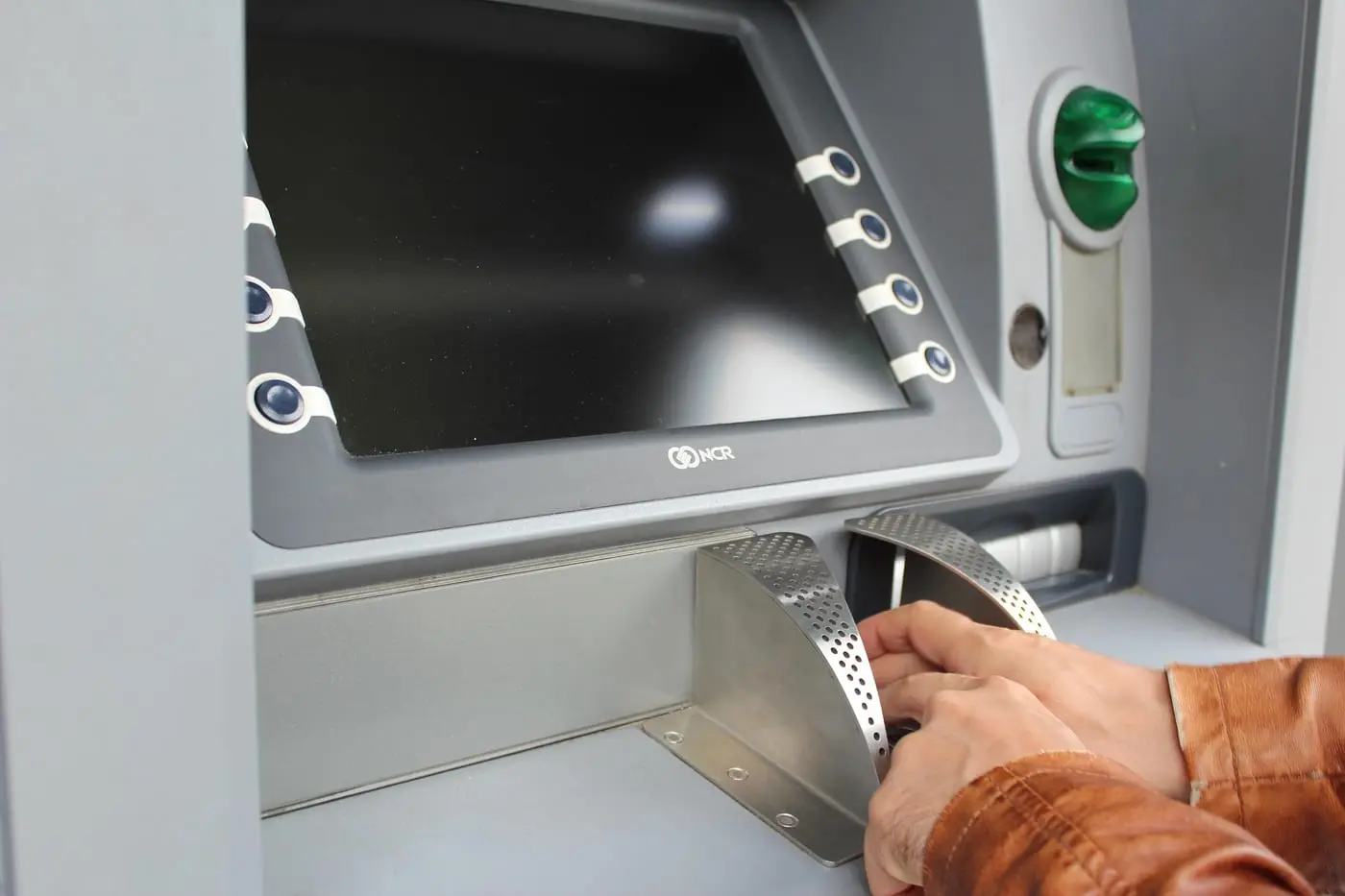
Cash into crypto is fast and effectively irreversible, which makes an ATM the perfect final step in a coercion scam. The New Zealand pattern is consistent: a caller claims to be from a bank fraud team, the police, Inland Revenue or a technology support desk, creates urgency, and directs the victim to withdraw cash and deposit it into a specific machine using a QR code the caller supplies.
There is one rule that defeats every version of this. No government agency, bank or utility in New Zealand will ever ask you to resolve a problem by putting cash into a cryptocurrency machine. Not the IRD, not the police, not your bank's fraud team. If someone on the phone is directing you to a machine, the call is a scam, regardless of how convincing the caller ID looks. Our scams page covers the wider pattern set.
Machines by city
Distribution follows population, and Auckland dominates. The city has machines across the CBD and through the southern and western suburbs — Mount Wellington, Papatoetoe, New Lynn and similar centres appear repeatedly in operator listings. Wellington, Christchurch, Hamilton and Tauranga all have meaningful coverage. Smaller centres are patchier, and locations change as retail hosts come and go, so always check the operator's own live map before travelling.
A short practical checklist
- Check the live operator map before you travel — hosts change and machines go offline.
- Read the on-screen rate, not the marketing sticker. The markup is in the rate.
- Bring the ID you will need for the amount you intend to transact.
- Have your own wallet address ready as a QR code. Never use an address someone else provides.
- Keep the receipt. It is your acquisition record for Inland Revenue.
- If anyone is on the phone with you at the machine, stop and walk away.